
Category: Reading through the Bible
-
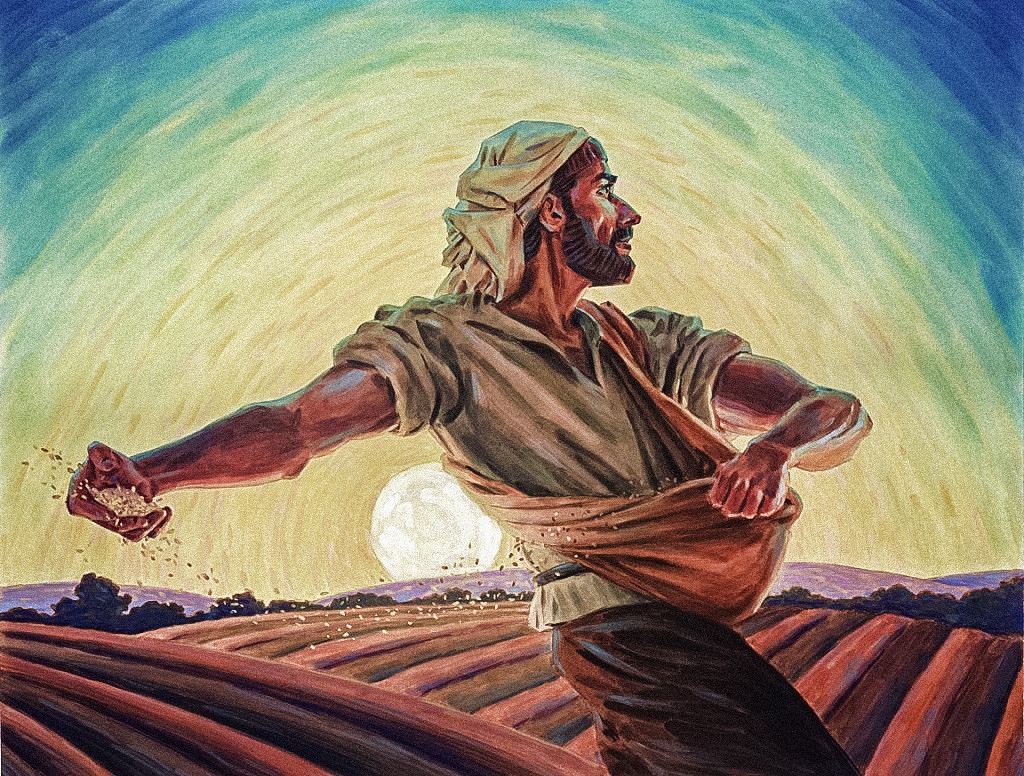
Day 287: Sower (A poem based on Matthew 13:1-9)
Through the Bible: Matthew 13, Luke 8
-

Day 287: The Treasure and the Pearl: Two Stories, One Gospel (Matthew 13:44-46)
Jesus told two parables that sound almost identical—a treasure hidden in a field and a pearl of great price. But look closer: one describes how we find salvation, and the other reveals how salvation found us. Together they tell the story of a God who gave all He had to make us His own.
-

Day 285: When Jesus Described His Heart (Matthew 11:28–30)
When Jesus described His own heart, He didn’t say holy, powerful, or righteous. He said gentle and lowly. The only time He tells us what His heart is like, He shows us that it’s open to the weary and heavy laden—especially when we least deserve it.
-

Day 284: How Many Times Did a Woman Anoint Jesus? (Luke 7:36-50)
All four Gospels record a woman anointing Jesus with costly perfume. Are they describing the same event, or more than one? This reflection traces the differences between Luke’s “woman of the city,” Mary of Bethany, and the unnamed woman in Matthew and Mark—and what their stories reveal about grace that multiplies.
-

Day 282: The Unforgivable Sin (Matthew 12:31–32)
Jesus said that blasphemy against the Holy Spirit will not be forgiven. What makes this sin different from all others—and how can we be sure we haven’t committed it?
-
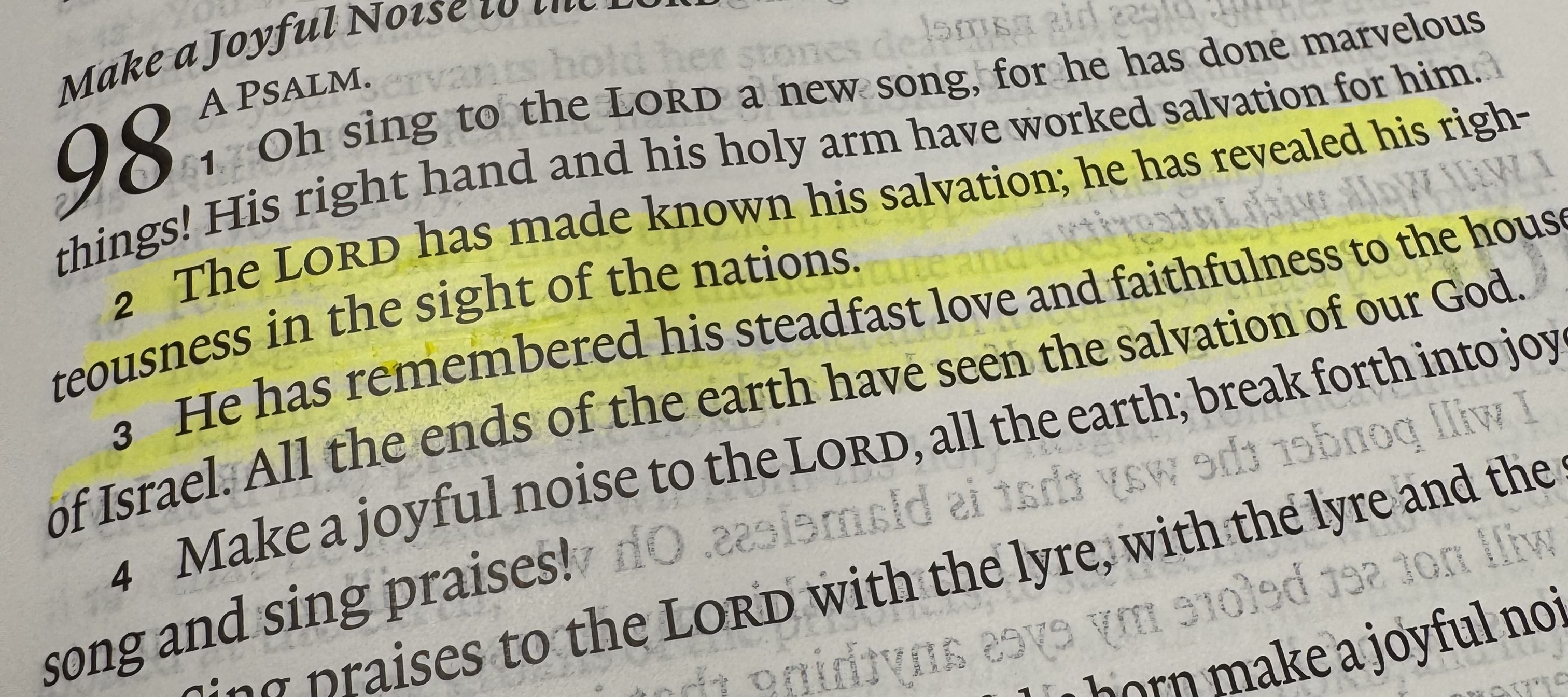
Anticipation and Celebration: Reflections on Psalm 98 and Isaiah 52
In Psalm 137, the exiles hung their harps on the willows, unable to sing. In Isaiah 52, the prophet called the ruins of Jerusalem to break forth in song. And in Psalm 98, the whole creation joins the chorus! From anticipation to celebration, from promise to praise, these passages remind us that we worship a…