-

Day 298: Seventy Two Others (Luke 10)
When Jesus sent out seventy-two followers, He wasn’t just multiplying His ministry—He was signaling that the gospel was meant for the whole world. Jesus still rejoices when ordinary people join Him in kingdom work.
-
Day 294: Jesus’ Most Playful Miracle (Matthew 17:24-27)
When Peter needed to pay the temple tax, Jesus sent him fishing—and the first fish he caught had a coin in its mouth. Of all His miracles, this may be the most playful. It’s a story of humility, provision, and a Savior who delights in surprising His friends.
-

Day 293: Men Like Trees (Mark 8:24)
In Bethsaida, Jesus heals a blind man in two stages — not because He failed the first time, but because He was showing us how spiritual sight comes gradually. Like the disciples, we often see shapes before substance, outlines before clarity, until the second touch brings everything into focus.
-
Day 290: Compassion Through Exhaustion (Matthew 14:13-21)
After hearing of John the Baptist’s death, Jesus withdrew to a desolate place to grieve. But the crowds followed, and He had compassion on them. Matthew 14 shows us a Savior who ministers through fatigue—and reminds every weary servant that even the Son needed solitude.
-

Day 289: The Sword That Divides (Matthew 10:34–36)
Jesus said He didn’t come to bring peace, but a sword. What did He mean? In Matthew 10, the “sword” isn’t about violence but allegiance. The gospel divides before it unites, calling believers to choose faithfulness to Christ even when it costs peace with the world.
-
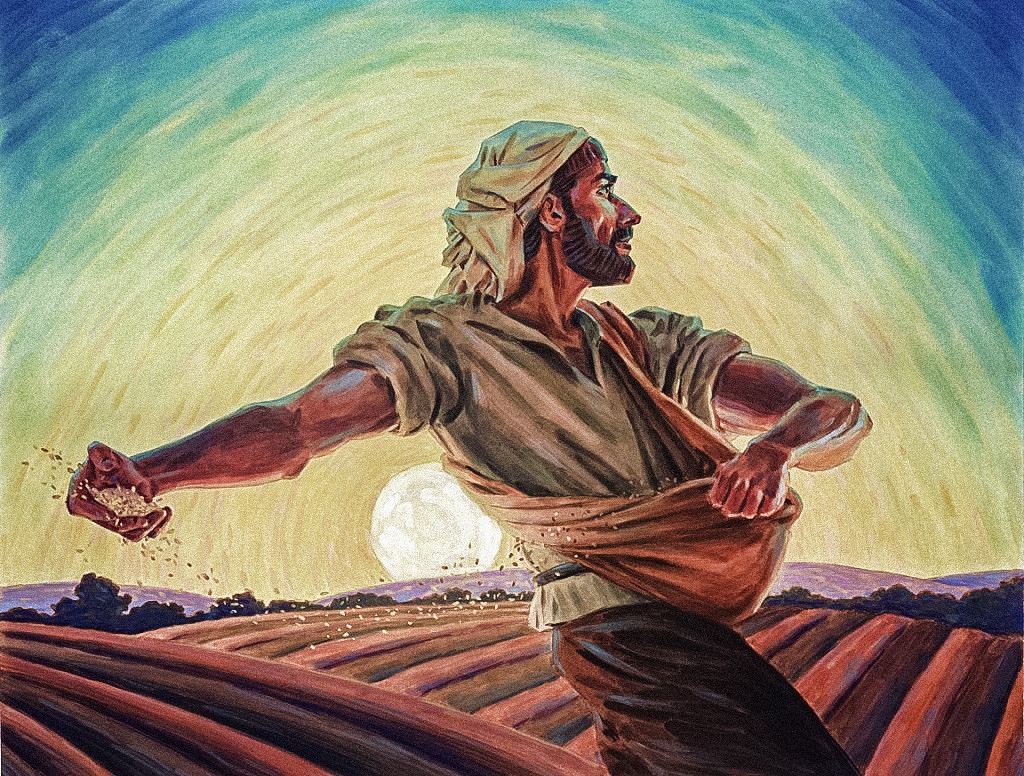
Day 287: Sower (A poem based on Matthew 13:1-9)
Through the Bible: Matthew 13, Luke 8
-

Day 287: The Treasure and the Pearl: Two Stories, One Gospel (Matthew 13:44-46)
Jesus told two parables that sound almost identical—a treasure hidden in a field and a pearl of great price. But look closer: one describes how we find salvation, and the other reveals how salvation found us. Together they tell the story of a God who gave all He had to make us His own.
-

Day 285: Woe to You, Chorazin! (Matthew 11:21)
During a visit to the ruins of Chorazin, one of the cities Jesus cursed, I saw something carved into the stones of an ancient synagogue that made His words come alive. It’s a sobering reminder of how easy it is to let compromise slip into our worship until what was once true becomes only true-ish.
-

Day 284: How Many Times Did a Woman Anoint Jesus? (Luke 7:36-50)
All four Gospels record a woman anointing Jesus with costly perfume. Are they describing the same event, or more than one? This reflection traces the differences between Luke’s “woman of the city,” Mary of Bethany, and the unnamed woman in Matthew and Mark—and what their stories reveal about grace that multiplies.
-

Day 281: What Happened to Verse 4? (John 5)
Modern translations skip from John 5:3 to 5:5—what happened to verse 4? Behind this missing line lies a story about ancient manuscripts, Roman healing shrines, and a man waiting beside a pool with no power. In the end, Jesus shows that mercy isn’t earned by speed or strength—it’s received by grace.
-
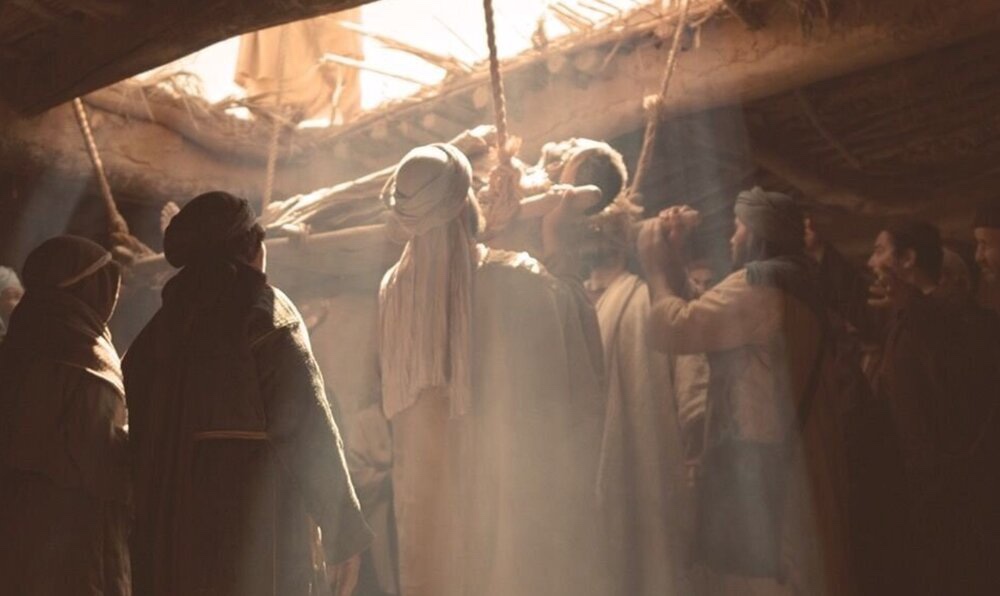
Day 280: Whose Faith Did Jesus See? (Mark 2:3-12)
When Jesus healed the paralytic, He saw their faith—the faith of the friends who carried, climbed, and refused to give up. Maybe your faith can carry someone to Jesus, too.
-

Day 276: The Puzzle of the Prophecy (Matthew 2:23)
Matthew 2:23 says, “He shall be called a Nazarene”—but those exact words don’t appear anywhere in the Old Testament. Was Matthew mistaken? Or is there something deeper going on? In this devotional, we explore the puzzle of the Nazarene prophecy and discover how even Jesus’ obscure hometown points to Him as the true Messiah.
-
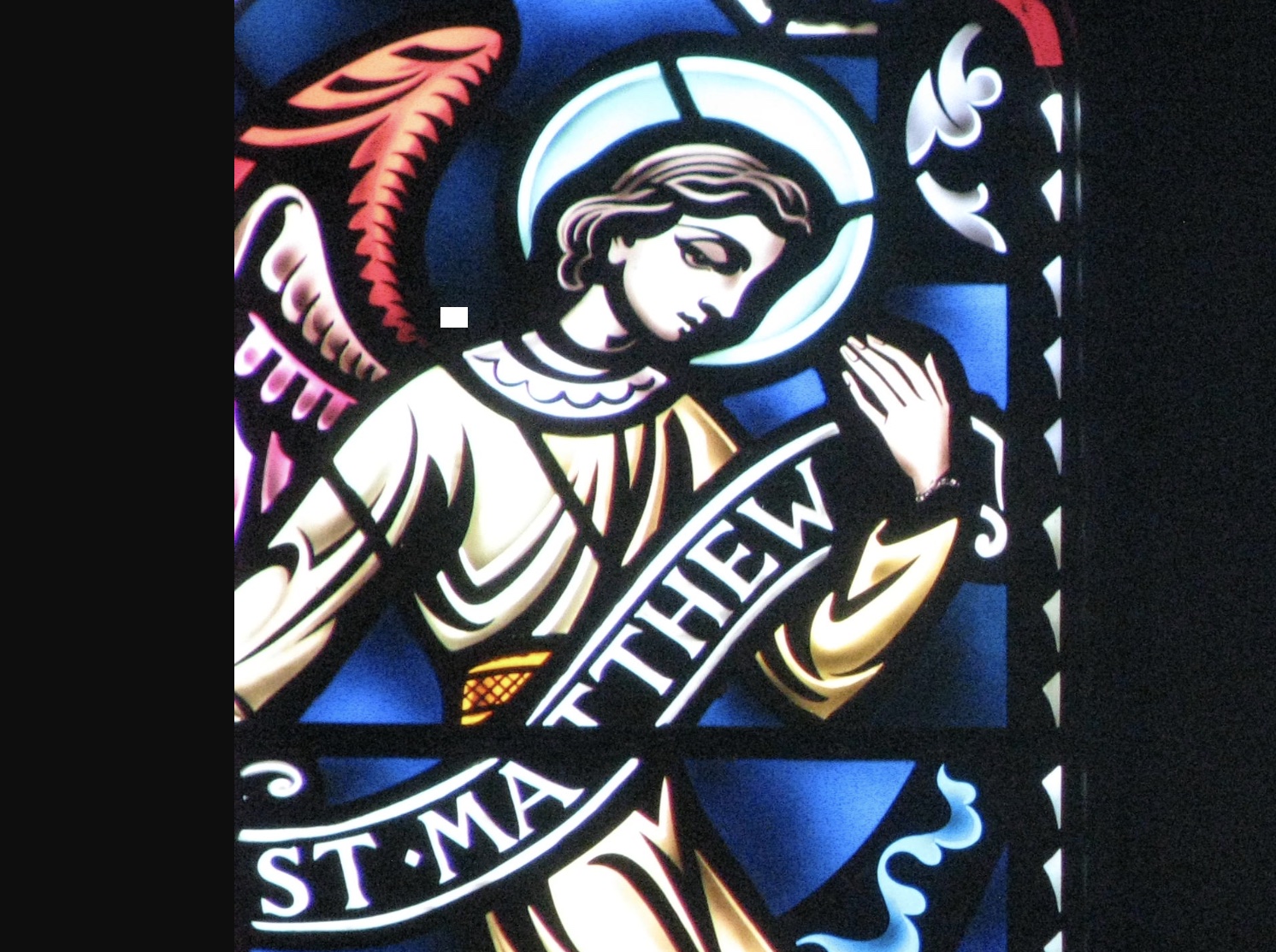
Matthew: The Most Jewish Gospel
Matthew, the gospel written by a despised tax collector, is also the most Jewish gospel—full of prophecy, dreams, and echoes of Israel’s story. Discover how Matthew points to Jesus as the promised Messiah.
-

Day 275: What’s the Deal With Fourteen Generations? (Matthew 1)
Why does Matthew emphasize “fourteen generations” three times in his genealogy of Jesus? A visit to Bethlehem and a closer look at the number 14 reveal God’s perfect plan to point us to David’s greater Son.
-
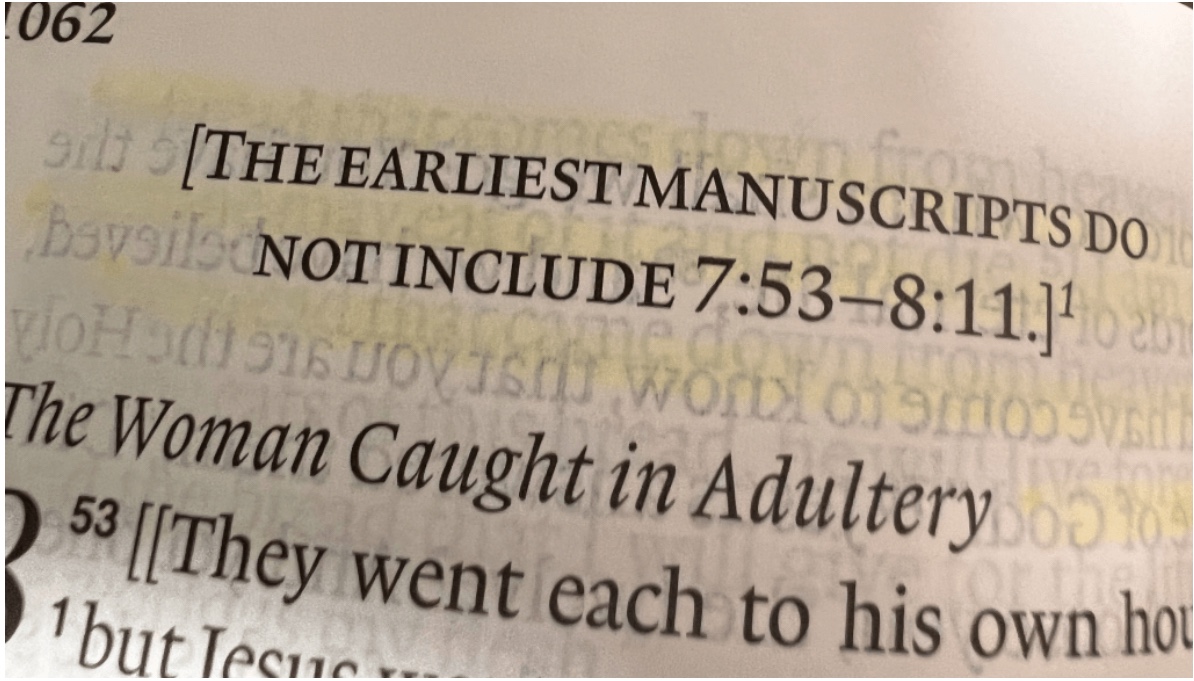
Day 296: The “Problem” of John 8:1-11
Many readers are startled to see a warning in their Bibles that the story of the woman caught in adultery isn’t in the earliest manuscripts. Does that mean it didn’t happen? In this post, James explores why this beloved passage moves around the manuscripts—and why its “interruption” may be exactly where it belongs.

66 in 52: A One Year Chronological Journey Through the Bible
Fall in love with God’s Word.
Daily insights following a chronological journey through the Bible, plus sermon videos and manuscripts from Glynwood Baptist Church.
Join the Journey
Receive new Bible reflections by email and follow along through all 66 books.
Join 293 other subscribers