
Category: Reading through the Bible
-
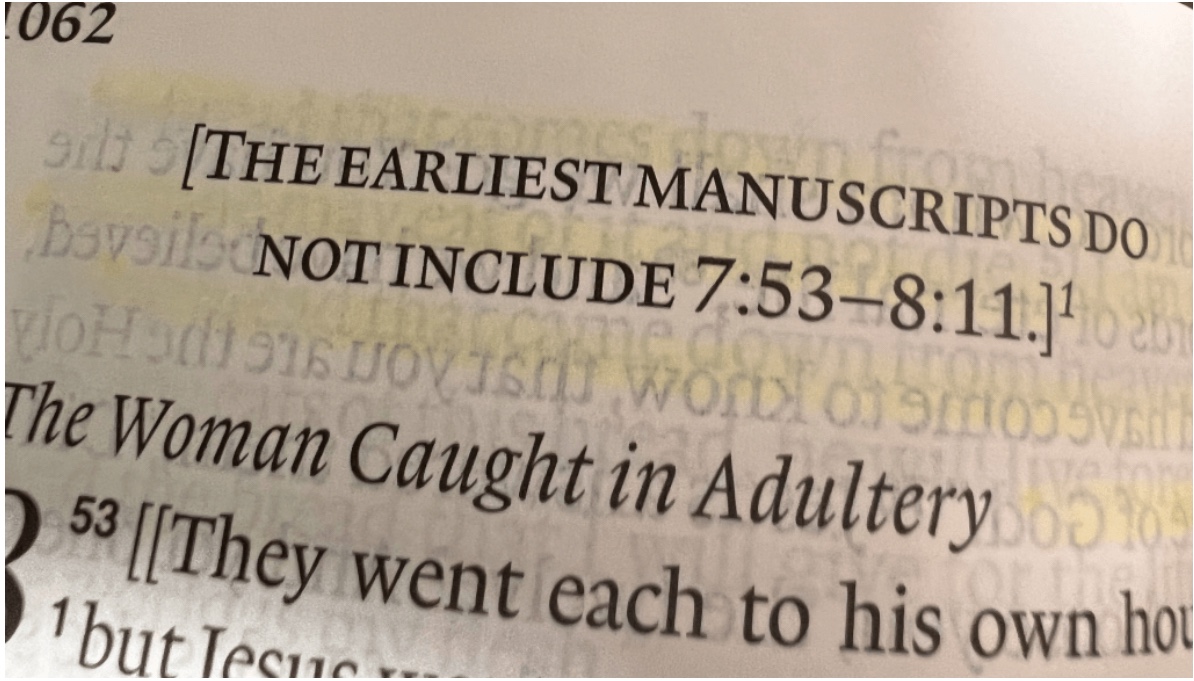
Day 296: The “Problem” of John 8:1-11
Many readers are startled to see a warning in their Bibles that the story of the woman caught in adultery isn’t in the earliest manuscripts. Does that mean it didn’t happen? In this post, James explores why this beloved passage moves around the manuscripts—and why its “interruption” may be exactly where it belongs.
-
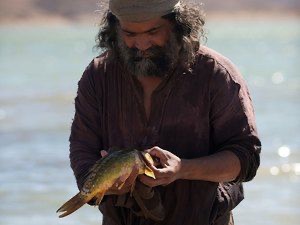
Day 294: Jesus’ Most Playful Miracle (Matthew 17:24-27)
When Peter needed to pay the temple tax, Jesus sent him fishing—and the first fish he caught had a coin in its mouth. Of all His miracles, this may be the most playful. It’s a story of humility, provision, and a Savior who delights in surprising His friends.
-

Day 293: Men Like Trees (Mark 8:24)
In Bethsaida, Jesus heals a blind man in two stages — not because He failed the first time, but because He was showing us how spiritual sight comes gradually. Like the disciples, we often see shapes before substance, outlines before clarity, until the second touch brings everything into focus.
-

Day 292: The Five and the Four (Matthew 15:32-39)
Two feedings. Two crowds. Two sides of the lake. The numbers aren’t random—they reveal the heart of a Savior who came for Jew and Gentile alike. And at the center of it all stands one missing loaf.
-
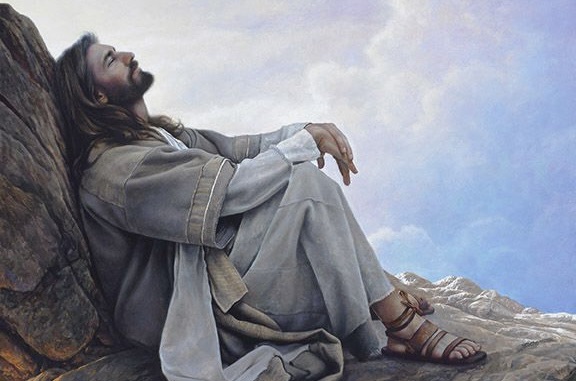
Day 290: Compassion Through Exhaustion (Matthew 14:13-21)
After hearing of John the Baptist’s death, Jesus withdrew to a desolate place to grieve. But the crowds followed, and He had compassion on them. Matthew 14 shows us a Savior who ministers through fatigue—and reminds every weary servant that even the Son needed solitude.
-

Day 289: The Sword That Divides (Matthew 10:34–36)
Jesus said He didn’t come to bring peace, but a sword. What did He mean? In Matthew 10, the “sword” isn’t about violence but allegiance. The gospel divides before it unites, calling believers to choose faithfulness to Christ even when it costs peace with the world.