
Category: Reading through the Bible
-
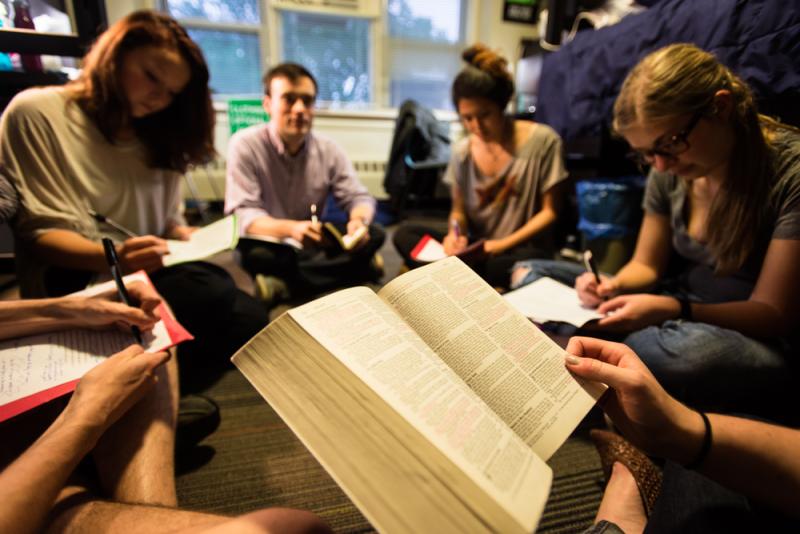
Day 268: Bible Study and Bible Doing (Ezra 7:10)
Ezra 7:10 gives a threefold model for every believer: study God’s Word, do what it says, and teach it to others. True Bible study isn’t just about knowledge—it’s about obedience and multiplication.
-
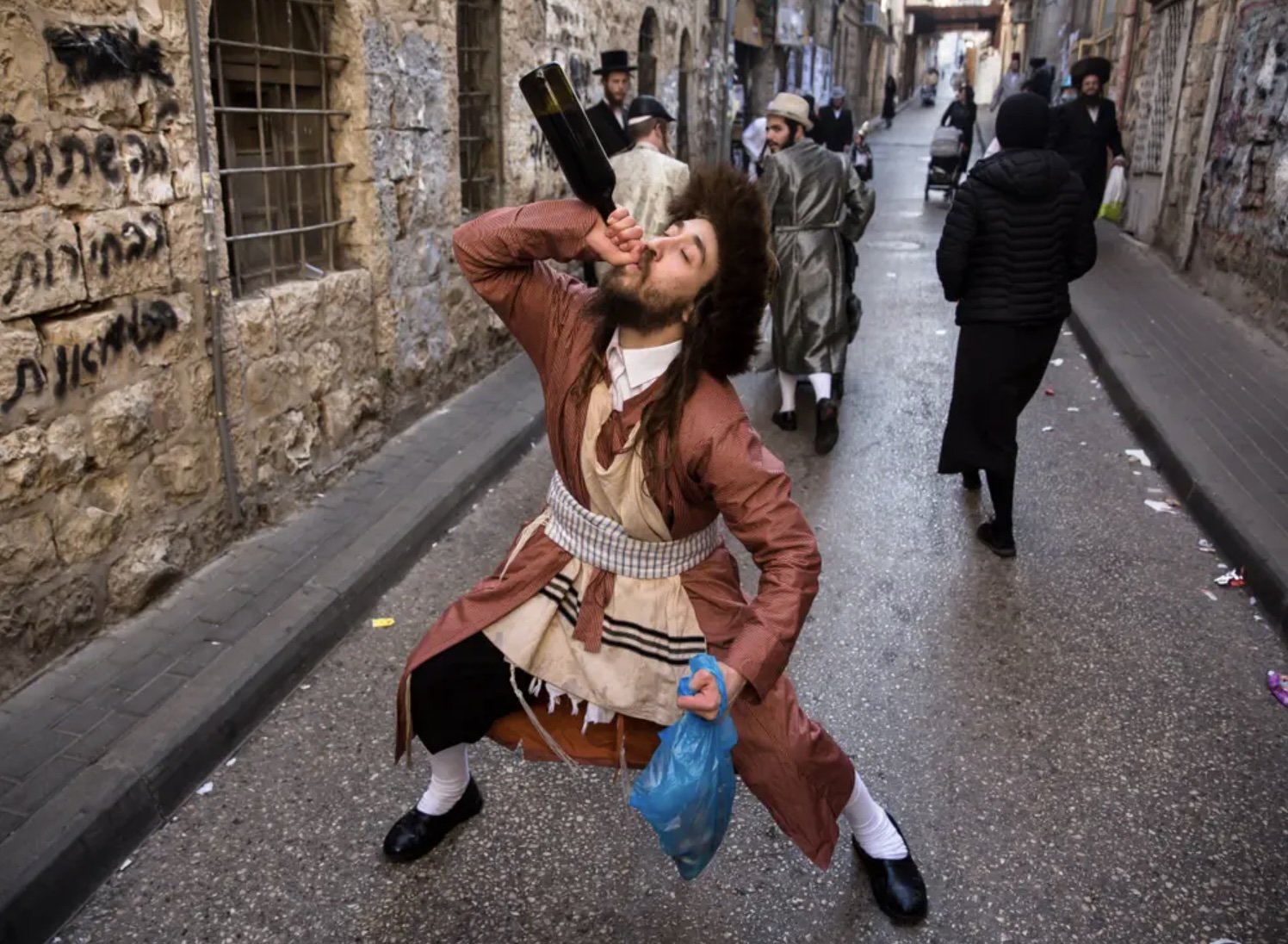
Day 267: Esther, Alcohol, and the Holiday Baptists Wouldn’t Invent (Esther 9:17-20)
Purim celebrates one of Scripture’s great reversals: mourning turned to gladness and threatened destruction turned to feasting. But some Purim traditions—especially the ones involving alcohol—might make a few Baptists clutch their pearls.
-

Day 266: How Not to Read Esther (Esther 2:8)
Esther isn’t a fairy tale or a tragedy—it’s both more complex and more hopeful. Avoid these five pitfalls to read Esther with theological depth.
-
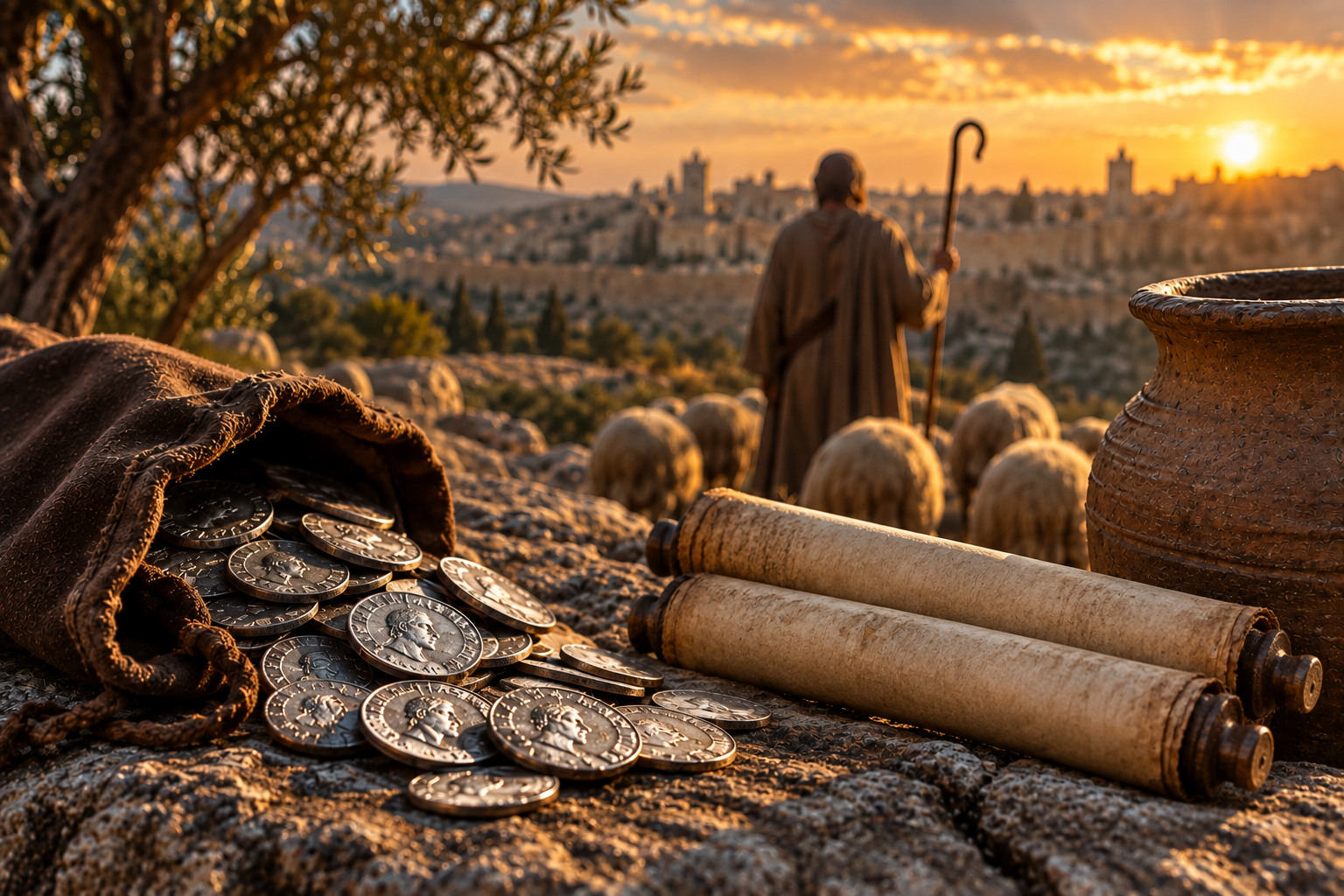
Day 265: Thirty Pieces of Silver, Two Prophets, and One Shepherd (Zechariah 11:12–13)
Thirty pieces of silver. A rejected shepherd. And a New Testament quotation attributed to the “wrong” prophet. What initially looks like a stretch in Matthew’s use of Zechariah turns out to reveal something remarkable about Jesus.
-

Day 264: Fasts of Feasting (Zechariah 8:19)
Zechariah’s people had four painful anniversaries on their calendar—days marked by fasting, grief, and memories of Jerusalem’s fall. Then God promised to transform their fasts into feasts. What happens when God changes the meaning of a day?
-

Day 262: Why the Second Temple Was So… Meh (Haggai 2:3)
Why was the second temple so unimpressive compared to Solomon’s? Spurgeon saw something deeper at work: its lesser glory was preparing the way for a far greater glory—Christ Himself.