
Category: Books of the Bible
-

God Never Said… Everything Happens for a Reason (Romans 8:28-39)
When we talk about God’s will, we have to be careful not to flatten it into something simplistic. Scripture shows us that God commands some things, permits others, hates what is evil, and yet redeems what sin tries to destroy. Romans 8 will not allow us to say God is helpless, nor will it allow…
-

Day 036: Exodus 21 and the Value of Life Before Birth
Does Exodus 21 treat the unborn child as something less than a full life? A careful reading of this ancient case law—read as law, not as a slogan—shows how Scripture weighs harm, responsibility, and justice when violence endangers life before birth.
-

God Never Said… “I’ll Never Give You More than You Can Handle” (2 Corinthians 1:8-10)
The phrase “God will never give you more than you can handle” sounds comforting—but it isn’t true. Scripture tells a better story. Again and again, God’s people find themselves overwhelmed, exhausted, and at the end of their strength. Not because God has abandoned them, but because He is teaching them where real strength comes from.…
-

Day 030: “God Saw, and God Knew” (Exodus 2:25)
Exodus 2:25 offers a quiet turning point in Israel’s story. After generations of suffering and silence, Scripture says simply: “God saw, and God knew.” This is not distant awareness, but intimate, covenantal knowledge—the assurance that God is present even when deliverance has not yet come.
-
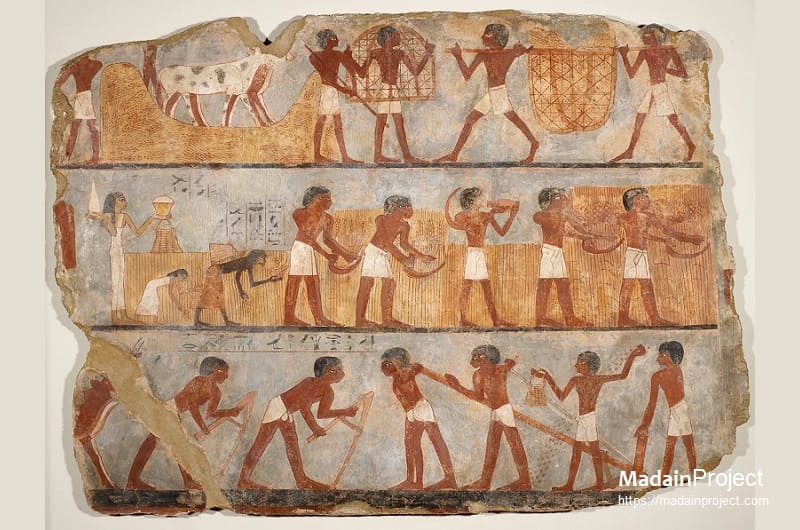
Day 028: There I Will Make You a Great Nation (Genesis 46:1-3)
Genesis 46 marks a turning point in God’s promise to Abraham’s family. For the first time, God reveals not just what He will do, but where—forming His people into a great nation not in the promised land, but in exile. Long before Israel ever arrives home, God teaches them how to live faithfully in the…
-

Making Disciples Who Make Disciples (Luke 9-10)
Discipleship isn’t a single dramatic moment—it’s a process with movement. Jesus calls people close, walks with them patiently, releases them gradually, and then trusts them to do it for someone else. Being sent doesn’t mean we’re finished learning; often, it’s being sent that reveals how much more we still need to learn. The goal of…