
Category: 66 in 52
-

3 John: The Man You Want to Be (Father’s Day, 2026)
Everyone’s becoming someone. In 3 John, we meet four very different men—one who walked in the truth, one who put himself first, one who earned respect, and one whose greatest joy was seeing others follow Jesus. Which one are you becoming?
-

Day 173: Women of Valor (Proverbs 31:10)
Does the Proverbs 31 woman inspire you—or exhaust you? What if this famous passage was never intended as a checklist for women at all, but something else entirely? Today, we take a fresh look at the Bible’s “woman of valor.”
-

Day 172: Wives and Concubines (1 Kings 11:3)
Solomon’s 700 wives weren’t merely a moral failure. They were 700 attempts to find security somewhere besides God. The question isn’t whether we have foreign wives—it’s what little kingdoms have captured our hearts.
-

More Reflections on Ecclesiastes: For the Classic Rock Fan
What do Solomon and Pink Floyd have in common? More than you might think. Read Ecclesiastes with Dark Side of the Moon playing in the background, and you may discover the closest thing classic rock ever produced to “Ecclesiastes: The Musical.”
-
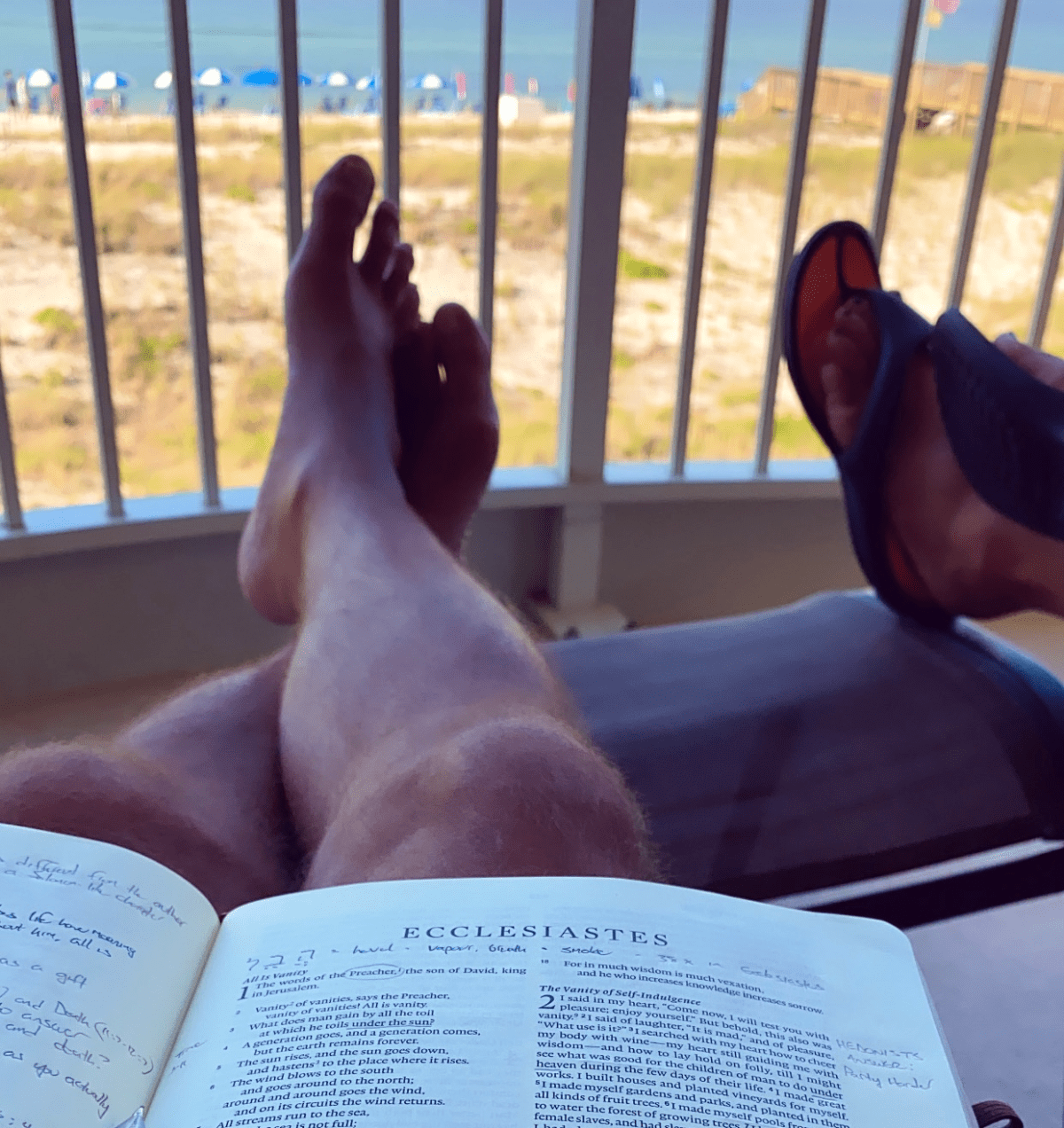
Day 170: Living Under the Sun (Ecclesiastes 1:3-5)
Ecclesiastes asks one of the most uncomfortable questions in the Bible: What if everything we chase is ultimately meaningless? The Teacher’s answer begins with understanding what life “under the sun” means.
-

Day 168: Six Things “Heaping Burning Coals” Could Mean (Proverbs 25:21-22)
What does it mean to “heap burning coals” on your enemy’s head? The answer may not be as obvious as you’ve been told—but the command is.