
Category: 2026
-

Day 140: The Body Keeps the Score (Psalm 38)
Long before modern psychiatrists gave it a clinical diagnosis, David understood how the body keeps score. In Psalm 38, he describes guilt in physical terms: aching bones, failing strength, throbbing heart. But while the body may keep score, grace doesn’t.
-

Day 128: Friendship, Secrets, and an Appreciation for Tara-Leigh Cobble (Psalm 25:14)
Psalm 25:14, has been translated in two different ways, and my first is to figure out which one is “right.” But what if I’m asking the wrong question. I’m I willing to listen to a perspective that comes from a different place?
-
Day 126: Gospel Without Borders (Psalm 96:3)
God promised Abraham that “all the families of the earth” would be blessed through him. Israel was chosen not as a cul-de-sac of grace, but as a channel of grace.
-
Day 110: Up to Jerusalem (Psalm 121, 123-125, 128-130)
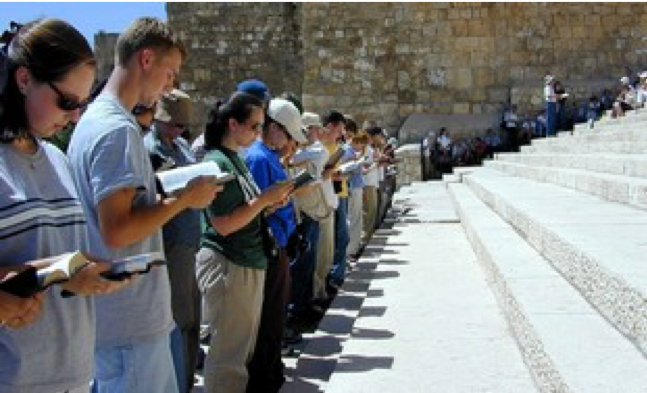
The Psalms of Ascent trace a journey—through distress, trust, and triumph—and remind us that whether we are climbing toward God or waiting for Him to come to us, there is a song for every step.
-
Day 055: The Price of Proximity (Number 4:15)
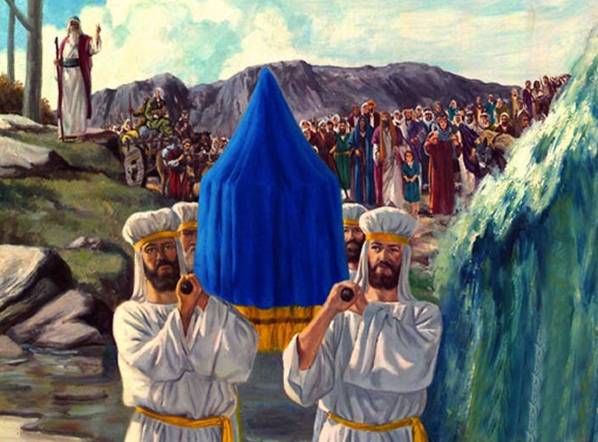
What looks like nepotism at first turns out to be one of the most dangerous roles in the Israelite camp.
-

Day 036: Exodus 21 and the Value of Life Before Birth
Does Exodus 21 treat the unborn child as something less than a full life? A careful reading of this ancient case law—read as law, not as a slogan—shows how Scripture weighs harm, responsibility, and justice when violence endangers life before birth.