

Tag: Through the Bible
-

Day 014: Why Does Job Mention Greek Constellations? (Job 38:31-32)
When God speaks to Job out of the whirlwind, He suddenly points to the stars—naming the Pleiades, Orion, and the Mazzaroth. Those familiar names open a window into how God’s unchanging Word is faithfully translated so each generation can understand it.
-

Day 007: What Job Knew (and Didn’t Know) About the Afterlife (Job 14:13-14)
Job lived long before resurrection had a name, yet he could not accept that death was the end of the story. In Job 14, he asks a question that Scripture will spend centuries answering: If a man dies, shall he live again?
-
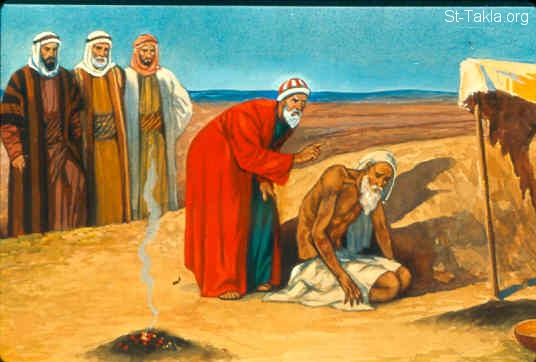
Day 006: Weaponizing Theology (Job 11:6)
Sound theology can heal—or it can wound. In Job 11, Zophar speaks words that are technically true but spiritually cruel, reminding us that truth without love can misrepresent the very God it claims to defend.
-

Day 005: The Weight of Grief, the Weight of Glory (Job 6:2–3)
ob compares his grief to the sands of the sea, unbearable and unmeasurable. C.S. Lewis calls our future hope in Christ a “weight of glory.” This post contrasts Job’s crushing sorrow with Paul’s promise of glory beyond all comparison (2 Corinthians 4:17–18), showing how the gospel transforms grief into hope.
-
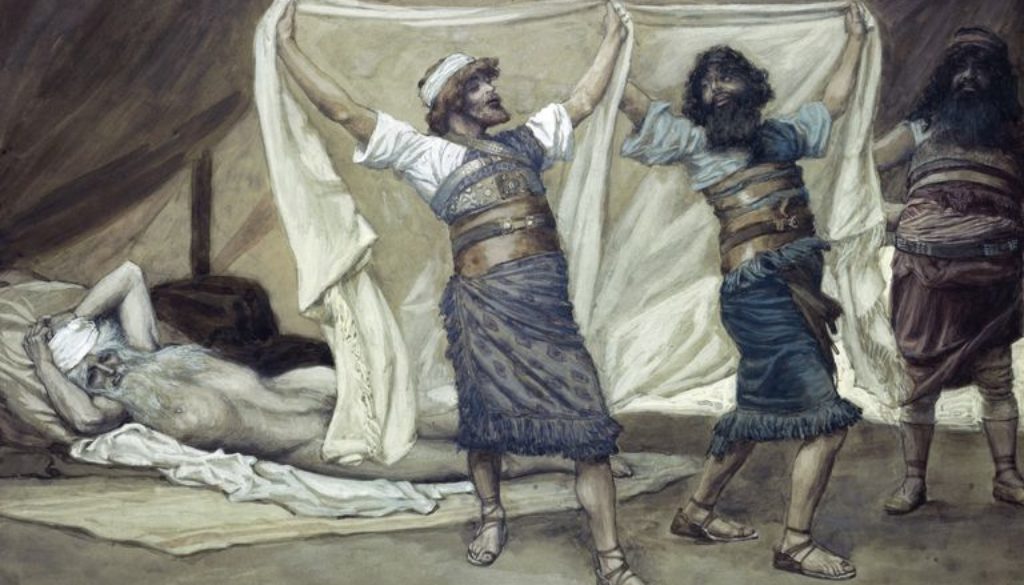
Day 003: Sin Exposed, Shame Covered (Genesis 9:20-25)
Sin exposes us. Shame follows close behind. But from Eden to Noah, and from Noah to the cross, Scripture tells a better story—one where God does not deny sin, but refuses to let shame have the final word.
-

Day 002: Two Songs, Two Math Problems (Genesis 4:23-24)
In Genesis, Lamech sings vengeance by the numbers. In the Gospels, Jesus answers with forgiveness that outnumbers it. What changed wasn’t the math—it was the song.


