

Tag: Gospel
-

Day 257 The Lions of Babylon and the Lion of Judah: Three Parallels (Daniel 6:17)
A stone. A royal seal. An unchangeable law. A visit at dawn expecting death—and unexpected joy. Daniel in the lions’ den contains some remarkable echoes of the resurrection story. But one crucial difference changes everything: when the stone rolled away in Jerusalem, the Lion walked out.
-

Day 245: The Point We Miss in Men’s Ministry (Ezekiel 22:30)
We love the challenge to “stand in the gap.” But Ezekiel 22:30 has an uncomfortable detail we often miss: God looked for someone who could—and found no one. The good news is that God eventually provided the Man we could never be.
-

Day 235: The Plan of Salvation in Jeremiah 50:4-5 (A Spurgeon Snapshot)
Long before Vacation Bible School taught us the ABCs of salvation, Charles Spurgeon found another version in Jeremiah 50: Weep. Seek. Join. Three words that trace the road from exile back home to God.
-

Zephaniah: How God Really Feels About You
What kind of God judges sin—and then sings over His people? Zephaniah begins with some of the Bible’s strongest language about God’s wrath and ends with one of its most beautiful pictures of His love. God’s wrath reveals His holiness, but His delight reveals His heart.
-

Day 227: The Refreshing Oasis of Jeremiah 31
After thirty chapters of rebellion, judgment, heartbreak, and coming exile, Jeremiah 31 feels like a pitcher of ice water in the desert. Suddenly there is everlasting love, hope for the future, restoration, forgiveness, and the promise of a new covenant. The wilderness is real—but it doesn’t get the last word.
-
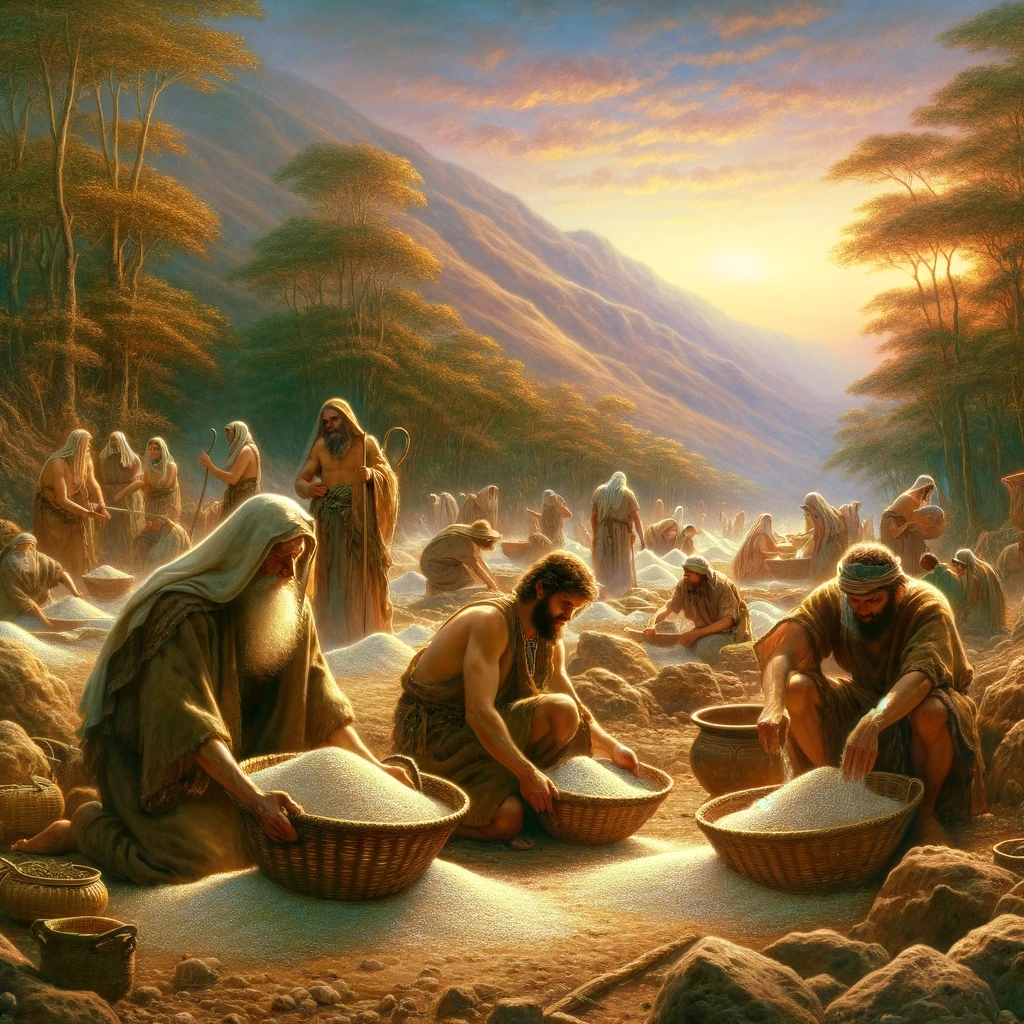
Day 227: Grace in the Wilderness (Jeremiah 31:2)
Where do you find grace? Sometimes, right in the middle of the wilderness. From Noah and Moses to Israel’s exile—and ultimately to Christ—Scripture tells the story of undeserving people who found favor when they needed it most.


