-

Day 276: Strange Gifts, Practical Provision (Matthew 2:11)
Gold, frankincense, and myrrh weren’t exactly on Mary’s baby registry. But God knew what this young family would need before they knew they needed it.
-
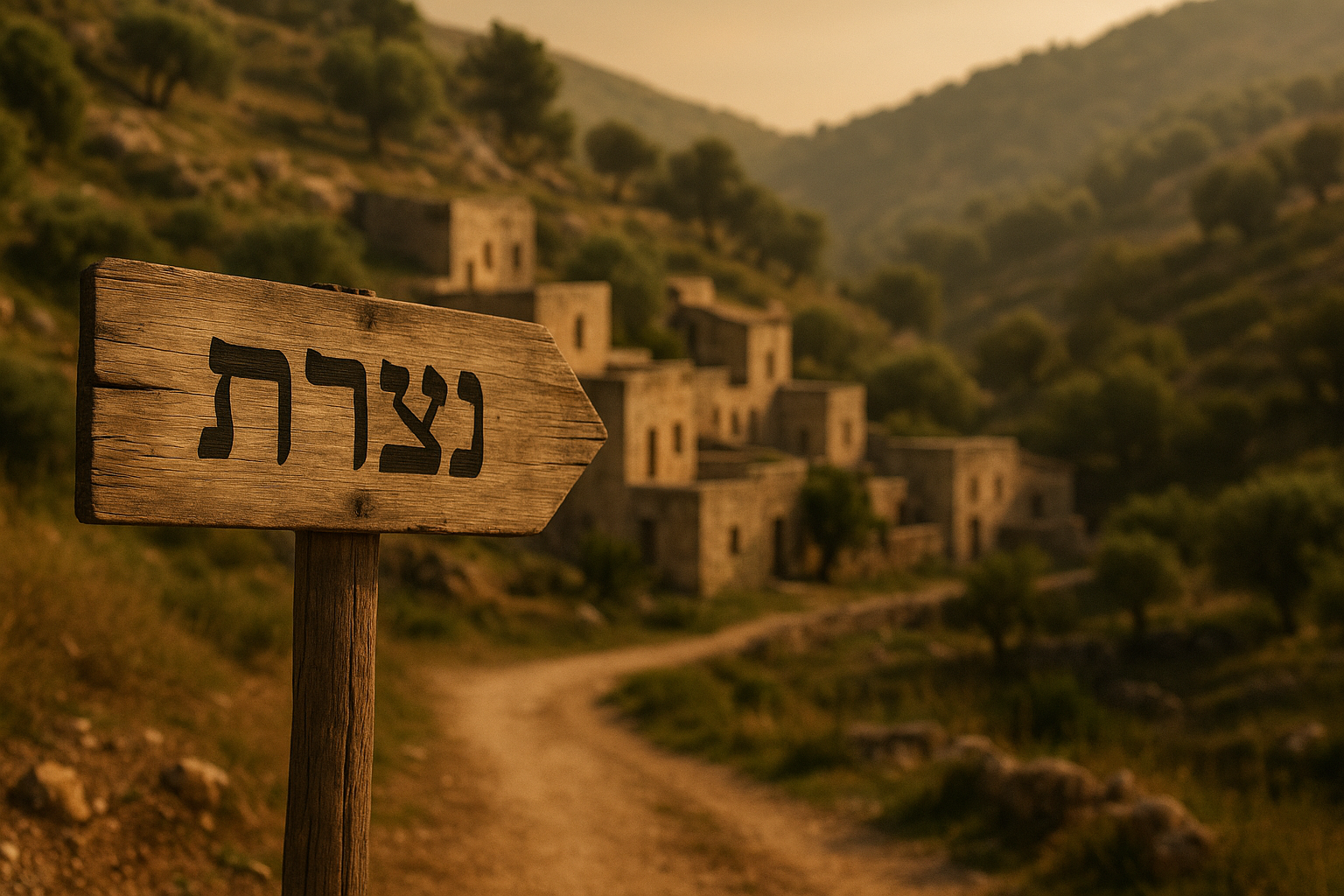
Day 276: The Puzzle of the Prophecy (Matthew 2:23)
Matthew 2:23 says, “He shall be called a Nazarene”—but those exact words don’t appear anywhere in the Old Testament. Was Matthew mistaken? Or is there something deeper going on? In this devotional, we explore the puzzle of the Nazarene prophecy and discover how even Jesus’ obscure hometown points to Him as the true Messiah.
-
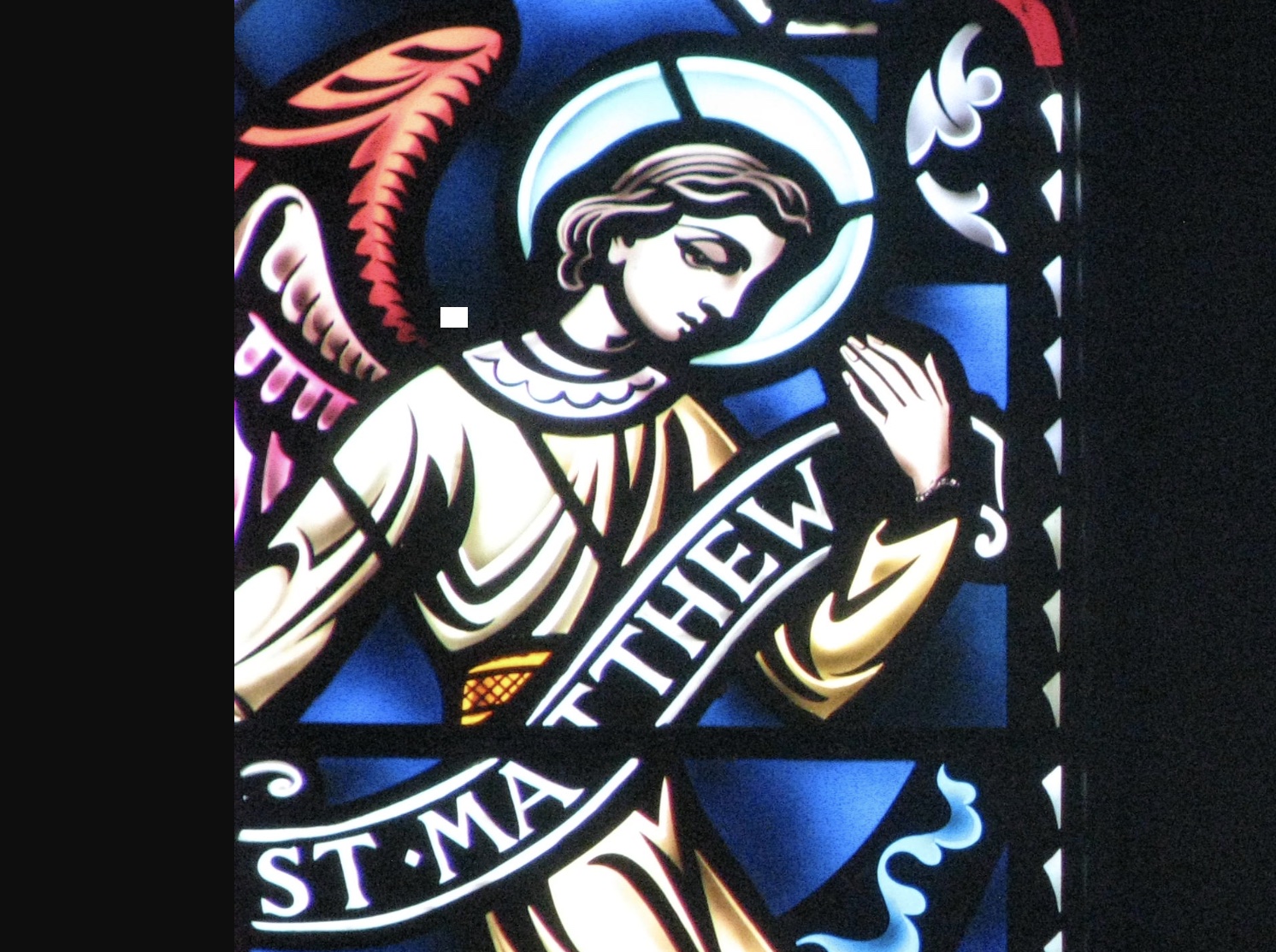
Matthew: The Most Jewish Gospel
Matthew, the gospel written by a despised tax collector, is also the most Jewish gospel—full of prophecy, dreams, and echoes of Israel’s story. Discover how Matthew points to Jesus as the promised Messiah.
-
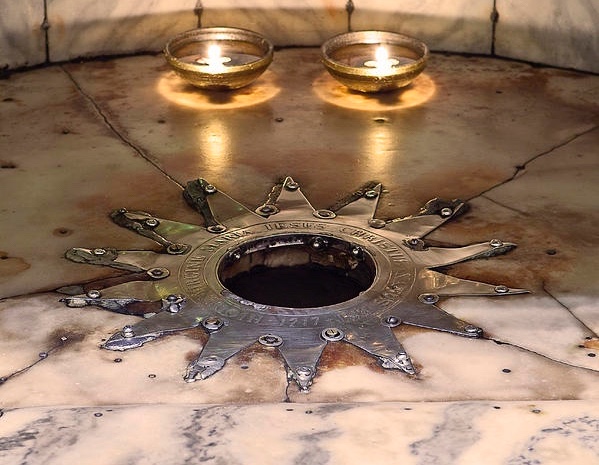
Day 275: What’s the Deal With Fourteen Generations? (Matthew 1)
Why does Matthew emphasize “fourteen generations” three times in his genealogy of Jesus? A visit to Bethlehem and a closer look at the number 14 reveal God’s perfect plan to point us to David’s greater Son.
-

Day 273: The Last Word, Not the Final Word (Malachi 4:6)
Malachi closes the Old Testament with the word “curse.” But that isn’t the end of the story. The so-called 400 silent years weren’t silence at all—God was setting the stage for Christ, the true final Word.
-

Day 272: Tobiah in the Temple (Nehemiah 13:6-8)
When Nehemiah returned to Jerusalem, he found that his old enemy Tobiah had been given a room in the temple. What does that story teach us about the dangers of compromise in our own hearts?
-
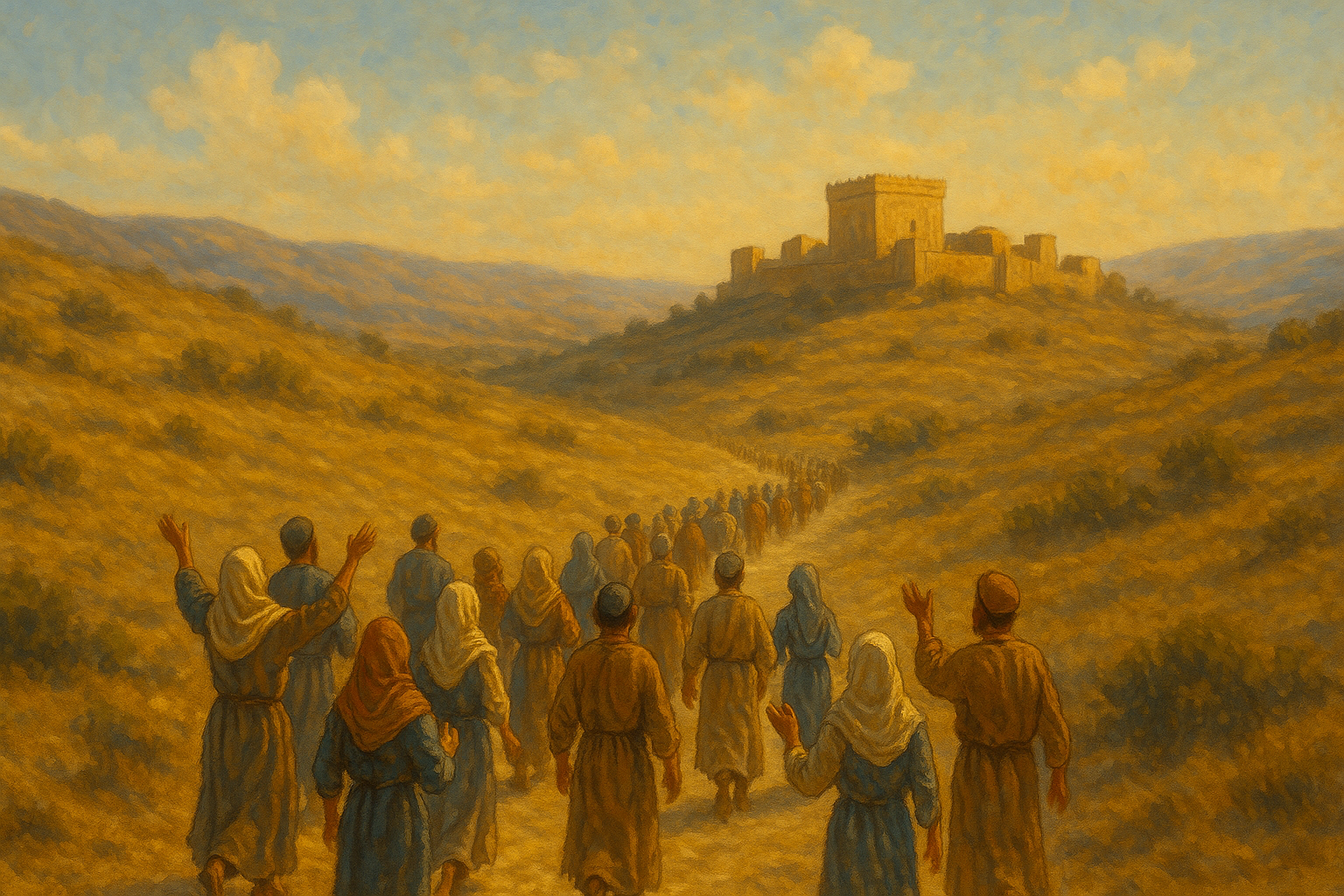
Day 272: The Last Psalm (Psalm 126)
Psalm 126 celebrates God’s power to restore His people, turning tears of sorrow into songs of joy. This post reflects on the joy of the exiles returning to Zion, and the promise that those who sow in tears will reap with shouts of joy.
-

Day 269: “I Took Counsel With Myself” (Nehemiah 5:6–7)
When Nehemiah heard the outcry of the poor, he grew angry — but instead of exploding, he paused: “I took counsel with myself.” Learn how Nehemiah models the balance of righteous anger, wise reflection, and courageous action.
-
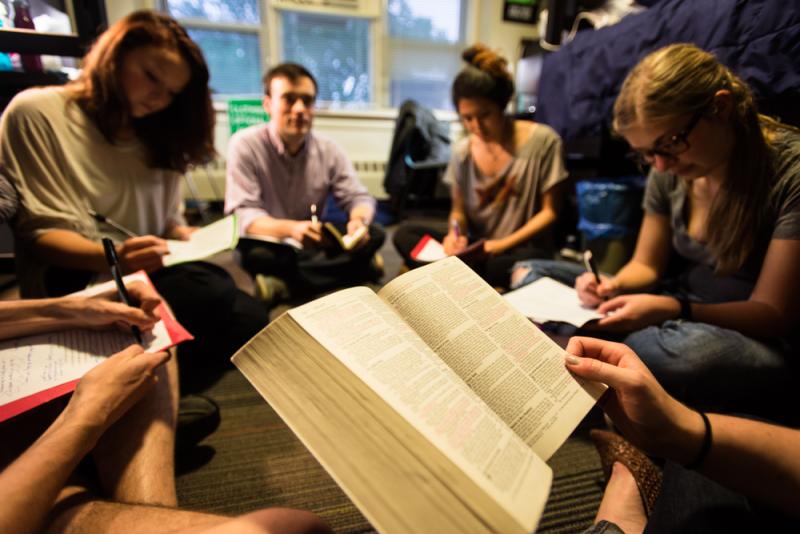
Day 268: Bible Study and Bible Doing (Ezra 7:10)
Ezra 7:10 gives a threefold model for every believer: study God’s Word, do what it says, and teach it to others. True Bible study isn’t just about knowledge—it’s about obedience and multiplication.
-
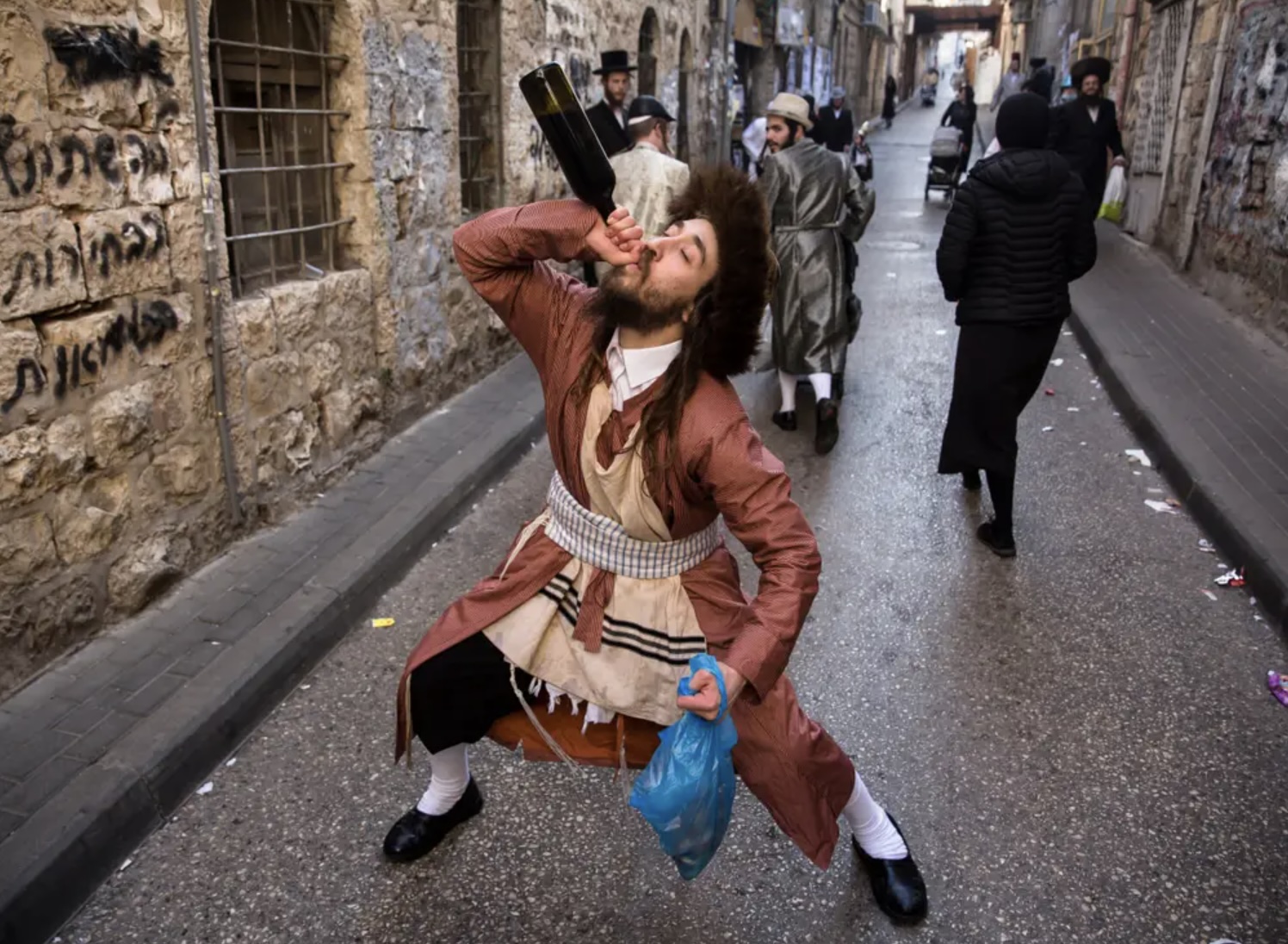
Day 267: Esther, Alcohol, and the Holiday Baptists Wouldn’t Invent (Esther 9:17-20)
Purim celebrates one of Scripture’s great reversals: mourning turned to gladness and threatened destruction turned to feasting. But some Purim traditions—especially the ones involving alcohol—might make a few Baptists clutch their pearls.
-

Day 264: Fasts of Feasting (Zechariah 8:19)
Zechariah’s people had four painful anniversaries on their calendar—days marked by fasting, grief, and memories of Jerusalem’s fall. Then God promised to transform their fasts into feasts. What happens when God changes the meaning of a day?
-

Day 262: Why the Second Temple Was So… Meh (Haggai 2:3)
Why was the second temple so unimpressive compared to Solomon’s? Spurgeon saw something deeper at work: its lesser glory was preparing the way for a far greater glory—Christ Himself.
-

Haggai: First Things First (Part 7 of Short Books, Long Shadows)
What happens when God’s people get so busy building their own lives that they neglect what matters most? Haggai’s message is a call to consider our ways, put first things first, and trust the God who is with us while we rebuild. And buried in this little book is a promise that points all the…
-

Day 260: The Other Elam (Ezra 2:7, 31)
Ezra’s long list of returnees includes “the other Elam,” a name most readers skip over. This reflection and poem remind us that even the overlooked are remembered by God, and every name matters in His book.
-

Day 233: When the Old Gods Whisper (Jeremiah 44:16-17)
Old sins have a way of remembering only their best moments. When life gets hard, the things we thought we left behind begin whispering that we were happier with them. Jeremiah 44 is a warning about what happens when we believe them.
-

Day 232: Can God Look on Evil? (Habakkuk 1:13)
Is God really “too holy to look on sin”? Habakkuk 1:13 is often used to make that claim—but read in context, the verse may be saying almost the opposite. God isn’t a pristine white couch we’re afraid to stain.
-

Day 231: The Final Word? (2 Chronicles 36:23)
The Hebrew Bible ends not with a curse, but with an invitation: “Let him go up.” What if the unfinished places in our lives aren’t endings at all, but invitations to take the next step?

66 in 52: A One Year Chronological Journey Through the Bible
Fall in love with God’s Word.
Daily insights following a chronological journey through the Bible, plus sermon videos and manuscripts from Glynwood Baptist Church.
Join the Journey
Receive new Bible reflections by email and follow along through all 66 books.
Join 290 other subscribers